
Access the information in this section in other formats.
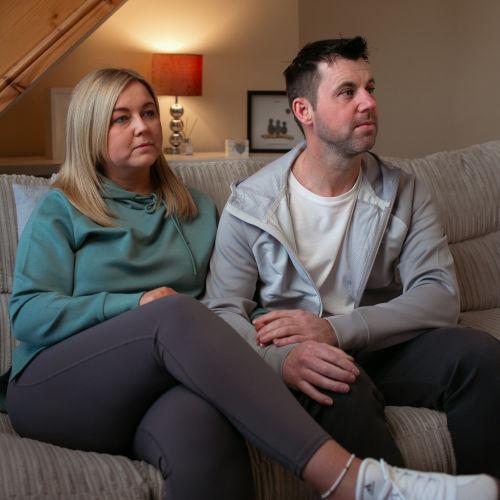
A stroke can have an impact on your sex life and intimate relationships.
How can stroke affect sex and relationships?
There are several reasons why you may have difficulties with sex after a stroke, including emotional changes, relationship changes and physical disabilities. Sex and relationship problems can happen to anyone of any gender or sexual orientation.
But remember help is available. Healthcare professionals, such as nurses or therapists supporting you after a stroke, should ask if you have any questions or worries about sex after you leave hospital and again at reviews. They can answer your questions and help you get support. For some problems, there may be some specialist help available.
Healthcare professionals can also help if your partner has any questions. You don’t need to wait to be asked about sex to discuss any concerns.
If your stroke was some time ago, contact your GP for information and advice.
Stroke Support Helpline
Our Stroke Support Helpline is for anyone affected by a stroke, including family, friends and carers. The Helpline can give you support and guidance on any aspect of stroke. Call us on 0303 3033 100, Textphone 18001 0303 3033 100 or email helpline@stroke.org.uk.
How long should I wait before having sex after a stroke?
Sex and intimate relationships are an important part of life for many of us. Many people do have sex again after a stroke when they feel physically and emotionally ready, but it’s very common to feel that a stroke has changed your relationship and sex life with a partner. If you’re single, it could change how you feel about dating.
Can sex cause a stroke?
Some people avoid sex because of a fear that it will cause another stroke. While your blood pressure can rise when you orgasm, you’re no more likely to have a stroke during sex than at any other time. So sexual activity is very unlikely to cause another stroke.
If you had a haemorrhagic stroke (bleeding on the brain) due to a burst aneurysm, and you feel worried that sex could trigger another bleed, your doctor or stroke specialist nurse can give you individual advice. If an aneurysm and any other risk factors like high blood pressure have been treated, this risk should be very small.
Whatever the cause of your stroke, you can contact your doctor with questions about sex after stroke, any concerns about other health conditions you have, or to get individual advice about reducing your risk of another stroke.
What can help with relationship and sexual problems?
These pages can only give general information. You should always get individual advice about your own health and any treatment you may need from a medical professional such as a GP, pharmacist or nurse. You can also access emotional support through your GP or by contacting a psychology professional, such as a counsellor.
The first step in dealing with any problem is to talk about it. This is not always easy. You may find it difficult or embarrassing to talk about things like a lack of desire or not being able to get an erection. However, these kinds of problems can affect anyone at any time, not only people who have had a stroke.
Talking and being open about your feelings can help your relationships and might also help in dealing with sexual problems. Many people want advice about sex and relationships after a stroke, and help and information are available.
It’s also important to look after yourself. Try to have an active, healthy lifestyle, including eating a healthy diet, limiting your alcohol intake and being as active as you can. This can help improve your overall health, as well as your sexual and emotional wellbeing.
Sexual health and contraception
Contact your GP surgery or visit a sexual health clinic to get advice about sexual health and contraception.
Preventing pregnancy
Women who have had an ischaemic stroke or transient ischaemic attack (TIA) are usually advised not to use the combined oral contraceptive pill (combi pill). The combi pill contains oestrogen, which can raise the risk of clots. There are non-hormonal options available, such as condoms, the contraceptive cap and intrauterine devices (IUD). Visit your GP or a sexual health clinic for help with choosing the best contraception for you.
Sexual health
To avoid sexually transmitted infections (STIs), you need to use a male or female condom. Do not use oil-based lubricants or creams with condoms, as they can make the condom more likely to leak. For oral sex, use a latex or polyurethane square (dental dam).
- Our Stroke Support Helpline is for anyone affected by a stroke, including family, friends and carers. The Helpline can give you support and guidance on any aspect of stroke. Call us on 0303 3033 100, Textphone 18001 0303 3033 100 or email helpline@stroke.org.uk.
- The College of Sexual and Relationship Therapists (COSRT) is a professional body for sexual and relationship therapists. Find qualified private therapists and information about therapy and common problems on their website. Tel: 020 8106 9635.
- Different Strokes is a charity which supports stroke survivors of working age or younger. It offers video resources with information on dating, sex and relationships after stroke.
- Disability Horizons online magazine provides information and practical tips on all aspects of living with a disability, including a section on relationships and sex.
- LGBT Foundation is a national charity delivering a wide range of services to lesbian, gay, bisexual and transgender (LGBTQ+) people. It provides sexual health support and a helpline offering information and support with finding sources of counselling. Tel: 0345 330 3030.
- National Sexual Health Helpline is a helpline offering support with sexual health and wellbeing. Helpline: 0300 123 7123.
- Outsiders is a free club for people with disabilities. The club can be used as a dating site or simply for befriending and support. The Outsiders Trust also offer support on relationships, sexuality and dating. Sex and Disability Helpline: 0333 335 6215.
- Relate offers relationship and sex counselling (face-to-face, online and via telephone). The website offers toolkits giving guidance on relationship problems.
- Relate Northern Ireland provides advice, counselling and resources for people in Northern Ireland.
- Relationships Scotland provides relationship counselling and support services across Scotland. Tel: 0345 119 2020.
- Books
- The ultimate guide to sex and disability: for all of us who live with disabilities, chronic pain, and illness.
Miriam Kaufman
Cleis Press, 2020
Book about sex and disability including advice on sexual positions. Available in print and as an e-book.
- The ultimate guide to sex and disability: for all of us who live with disabilities, chronic pain, and illness.
Accessible resources
The information in this section can be accessed in the following formats.
- Download this information as a PDF or large print Word document.
- Order a printed copy from our Shop.
- To request a braille copy, email feedback@stroke.org.uk