
High blood pressure is the biggest single risk factor for stroke. It plays a part in about half of all strokes. But while high blood pressure is a serious condition, there are things you can do to reduce your risk of a stroke.
On this page
- What is high blood pressure?
- How can high blood pressure cause a stroke?
- What are the risk factors for high blood pressure?
- Support
- Accessible resources
What is high blood pressure?
Your heart pumps blood all around your body through a network of blood vessels. Blood pressure is a measure of how strongly the blood presses against the walls of your blood vessels. It’s measured in millimetres of mercury (mmHg).
Your blood pressure goes up and down over the course of a day. For example, it changes if you’re active, resting, calm or stressed. A diagnosis of high blood pressure means your blood pressure stays high over a long period. The medical term for this is hypertension.
How can high blood pressure cause a stroke?
High blood pressure can lead to stroke in different ways. It can lead to blood clots in the brain, and can damage the tiny blood vessels deep inside the brain. It can also make a stroke due to bleeding in the brain more likely.
1) Stroke due to a clot (ischaemic stroke)
High blood pressure damages your blood vessels by making them become narrower and stiffer, and causing a build-up of fatty material. This process is called atherosclerosis. Clots can form on the areas of fatty material, and if a clot travels to the brain, it causes an ischaemic stroke or transient ischaemic attack (TIA or mini-stroke).
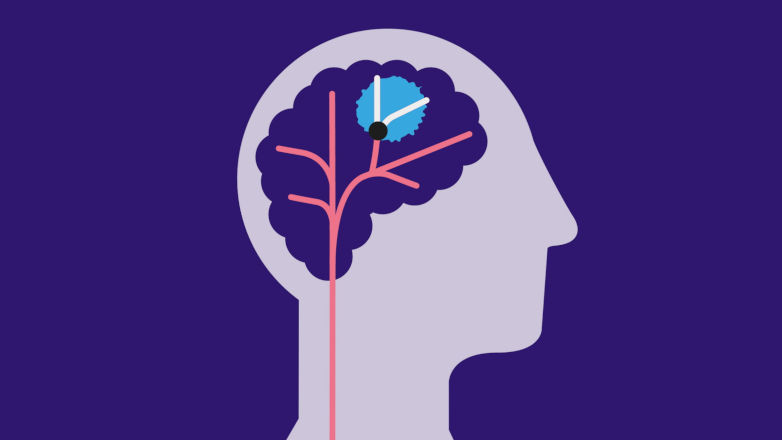
2) Stroke due to bleeding in the brain (haemorrhagic stroke)
High blood pressure can damage blood vessels inside the brain, causing bleeding in the brain. This is called a haemorrhagic stroke.
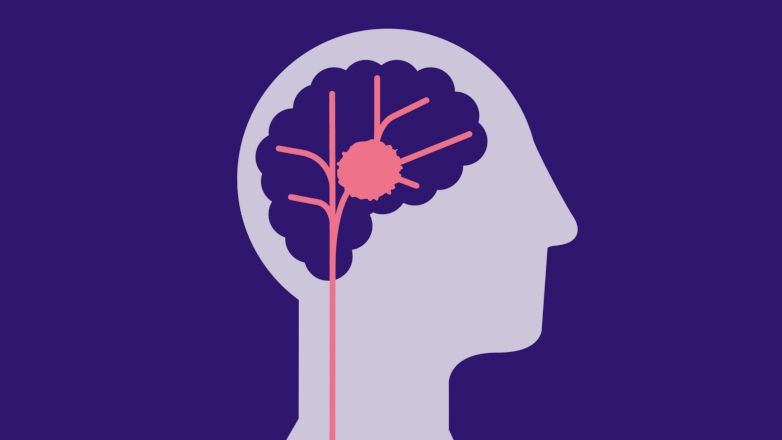
3) Stroke and cognitive problems due to small vessel disease
High blood pressure over a long time is a risk factor for small vessel disease. Small vessel disease means having damage to the tiny blood vessels deep inside the brain. The blood vessels become narrowed, which reduces blood flow and makes a stroke more likely. It can also affect your thinking ability (cognitive problems).
What are the risk factors for high blood pressure?
Some things about you can put you at higher risk of having high blood pressure, including:
- Getting older.
- A family history of high blood pressure in close relatives.
- Ethnicity: people from Black African, Black Caribbean or South Asian backgrounds are more likely to have high blood pressure.
There are also lifestyle factors that put you at greater risk of high blood pressure, including:
Some health conditions can cause high blood pressure, including:
- Kidney disease.
- Diabetes.
- Obstructive sleep apnoea (interrupted breathing during sleep).
- Lupus (immune disorder).
Some medications can affect blood pressure including the combined oral contraceptive pill and steroids. Illegal drugs such as cocaine and amphetamines can also raise blood pressure.
Feeling stressed can raise your blood pressure for a short time, but it usually goes back to normal when you relax. However, if you’re under stress often, you might eat unhealthy food, drink too much alcohol or lose out on sleep. These things can eventually lead to high blood pressure. So it’s a good idea to reduce your stress levels as part of a healthy lifestyle. NHS Better Health has tips for managing stress and improving sleep.
If you have high blood pressure during pregnancy, your blood pressure will be monitored during pregnancy, labour and after the birth. If it’s very high, you may need to stay in hospital until it improves.
The most commonly used medication for high blood pressure in pregnancy is labetalol. If you cannot take labetalol, methyldopa and nifedipine are possible alternatives. These are not licensed for use in pregnancy, but they can be offered along with advice about the risks and the reasons for using it.
If you were already on blood pressure medication before becoming pregnant, you might need to change to a different type as some types are not safe to use in pregnancy. Speak to your doctor to discuss the best way to manage your blood pressure during pregnancy.
Support
Our Stroke Support Helpline is for anyone affected by a stroke, including family, friends and carers. The Helpline can give you information and support on any aspect of stroke.
Call us on 0303 3033 100, from a textphone 18001 0303 3033 100 or email helpline@stroke.org.uk
Other sources of help and information
- Blood Pressure UK provides a wide range of information on high blood pressure. Helpline: 020 7882 6218
- British Heart Foundation (BHF) operate the Heart Helpline: 0808 802 1234. The Heart Helpline provides information from cardiac nurses on heart and health issues.
- British and Irish Hypertension Society publishes a list of blood pressure monitors approved for home use.
- NHS inform is Scotland’s national health information service. Scotland takes a different approach to detecting and managing high blood pressure to other parts of the UK.
Resources available
The information in this section can be accessed in the following formats.
- Download this information as a PDF or large print Word document.
- Order a printed copy from our shop.
- To request a braille copy, email feedback@stroke.org.uk
For more resources, visit our resources area.
Useful Links