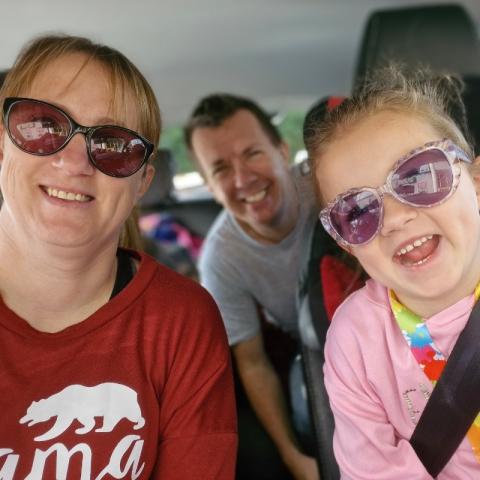
Childhood stroke can affect babies (including in the womb), children and young people. Several hundred children are diagnosed with a stroke every year in the UK.
Here you will find support, information and useful resources to help you and your family make sense of your child’s stroke.
It's important to know how to spot stroke in children or babies. Always call 999 if you spot any sign of a stroke.
Support available
Request a call
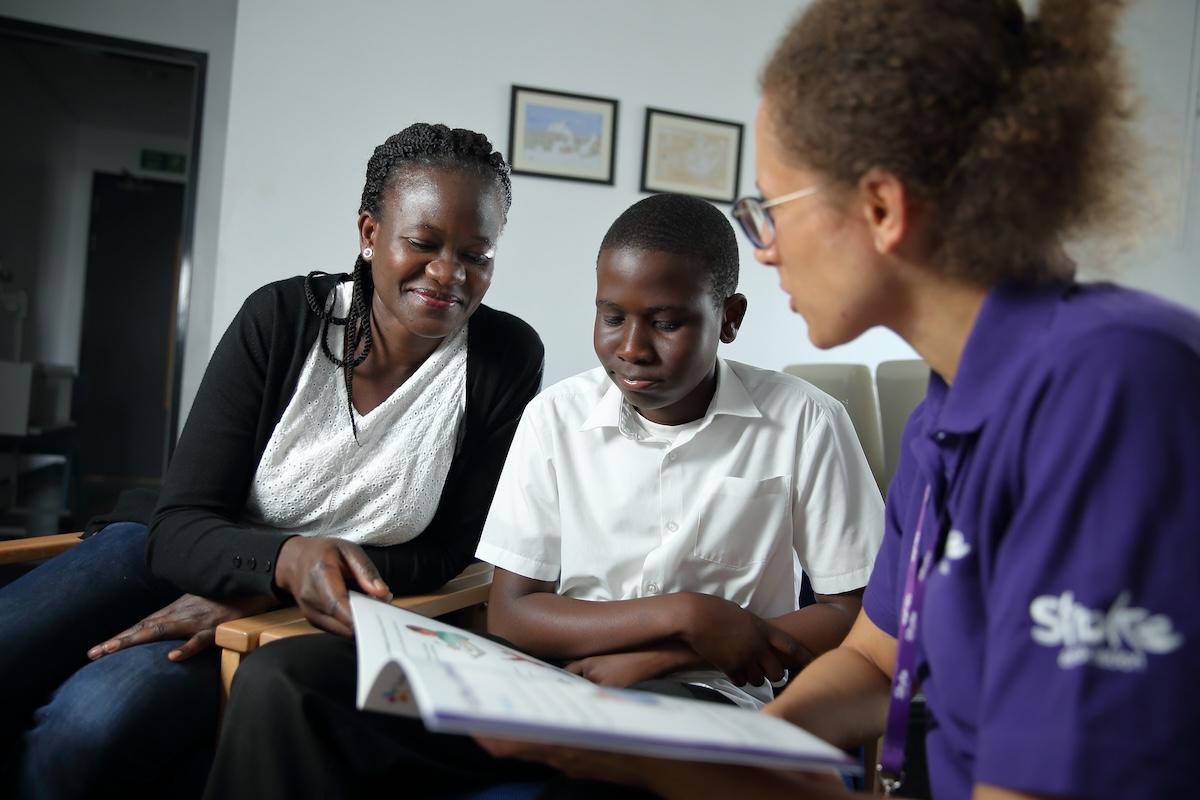
Our Childhood Stroke Support Team is here to support you with practical information and emotional support, whenever you need us. Simply fill out a short form and we'll get in touch. Or you can call us on 0303 3033 100 or email childhoodstroke@stroke.org.uk.

Where to start
It’s normal to feel overwhelmed after a stroke and have lots of questions. These resources can help you understand more about what’s happened and the support available after a stroke.
Frequently asked questions
The term ‘childhood stroke’ covers stroke occurring from 29 days old up to the age of 18. The term ‘perinatal stroke’ covers stroke from week 20 of pregnancy until 28 days after birth.
The causes and effects of a stroke are likely to be different depending on how old the child is.
There is more detailed information on childhood stroke and stroke in unborn and newborn babies on our other pages.
It’s important stroke is diagnosed and treated as quickly as possible. Your child’s treatment depends on the cause of their stroke. We have more information about diagnosis, treatments and questions you may want to ask their healthcare team.
You can find more information on this page about recovering from childhood stroke.
The effects of stroke are different for every child. The impact of the stroke depends on the part of the brain affected and the size of the damaged area.
The most common effects include:
- Emotional and behavioural changes
- Mobility problems
- Fatigue
- Communication problems
- Memory, thinking and concentration (cognition) problems
- Visual problems
The effects of a stroke in a baby or very young child may emerge over time.
Going to nursery or school after a stroke may feel like a scary prospect.
There are things you can do to make the transition to nursery or school easier for your child, yourself and the school. You can find out more on our pages Returning to school after a stroke and Getting support after a childhood stroke.
We also have a toolkit available for teachers and childcare professionals.
Helpful information
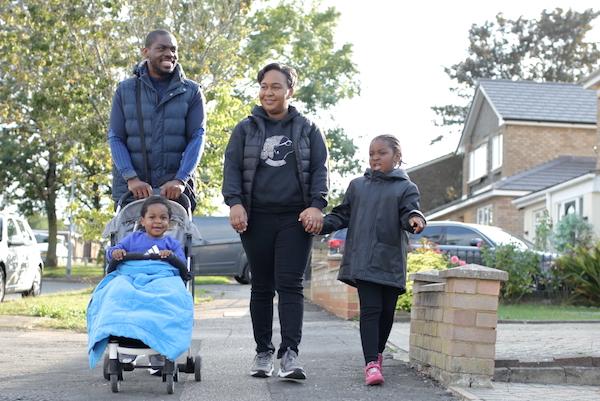
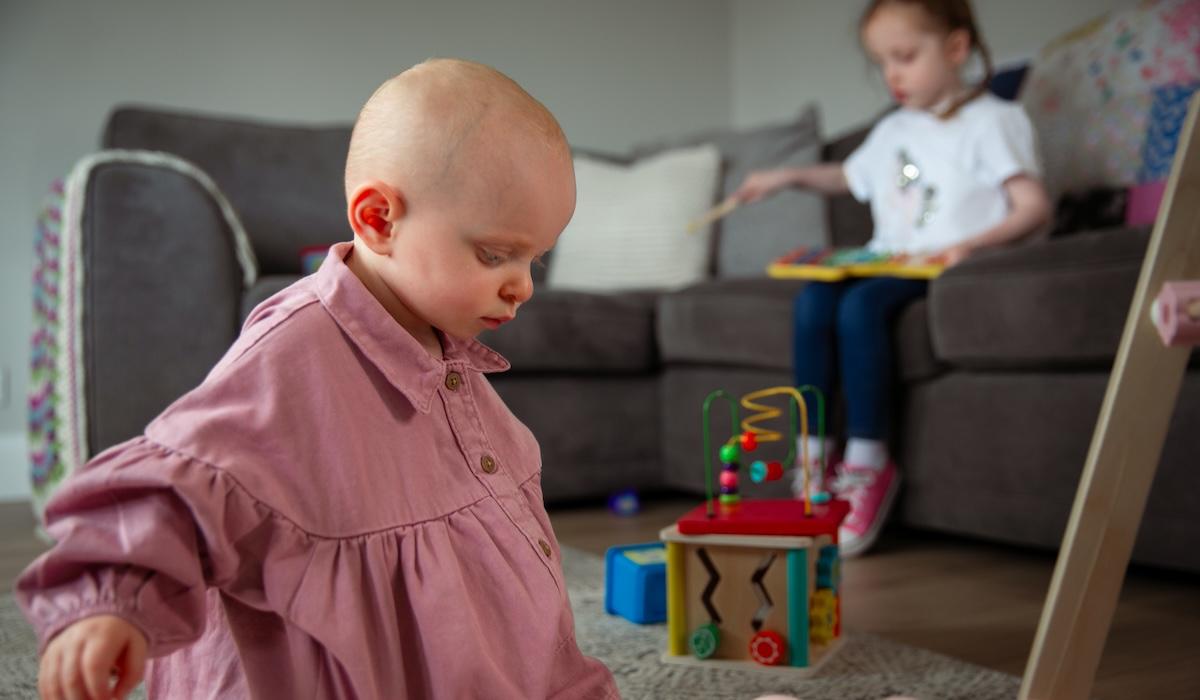
We felt so helpless. Seeing our little baby lying in hospital unable to properly move and speak was just heartbreaking. I wanted to take this all away from her.
Jess, mum to stroke survivor Emily