
A stroke can cause problems with physical activities like walking and using your hands and arms due to effects, such as muscle weakness, stiffness, and changes in sensation. Every stroke is different and not everyone will be affected in the same way or to the same extent. These pages look at some of the more common physical effects of stroke and options for treatment and rehabilitation.
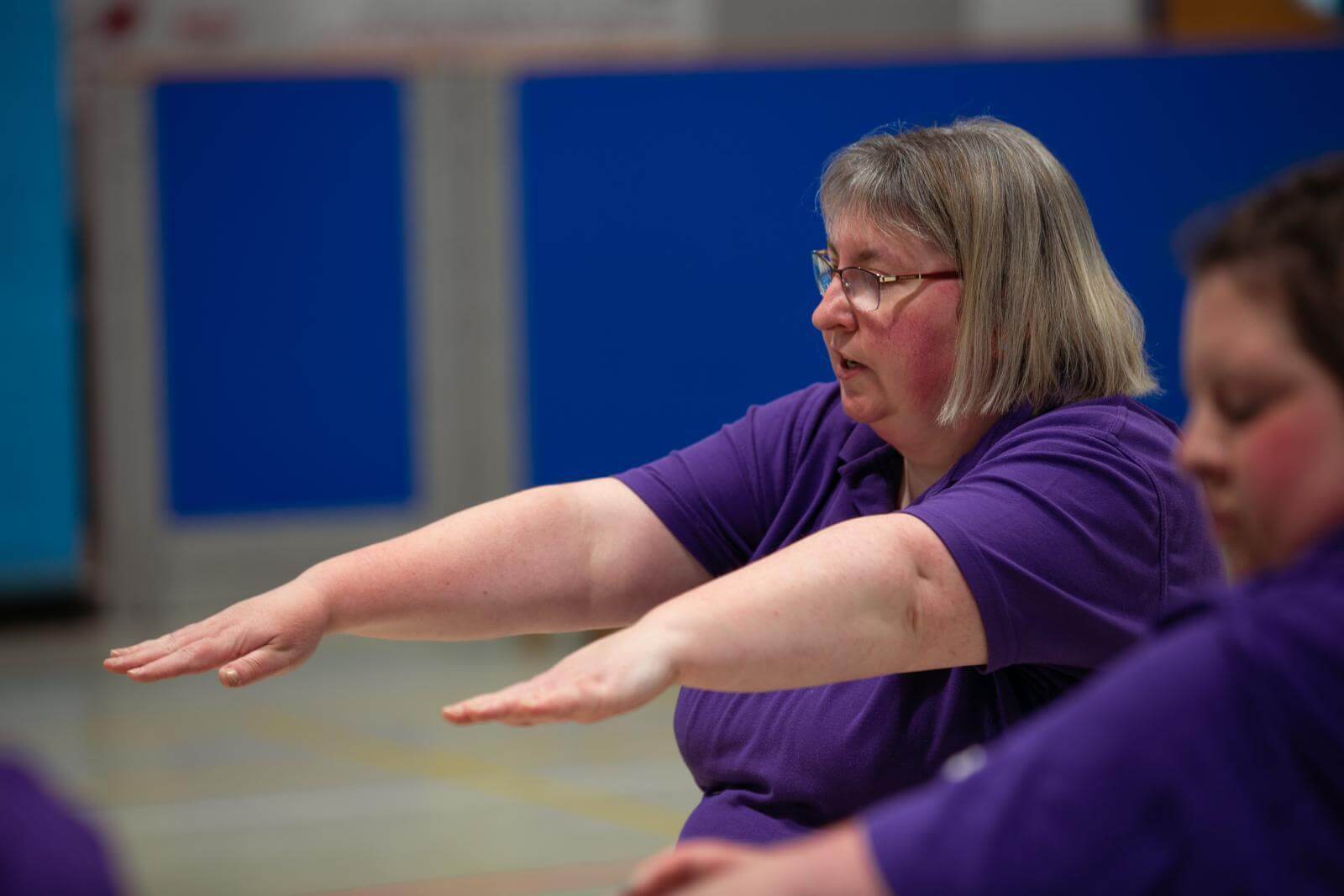
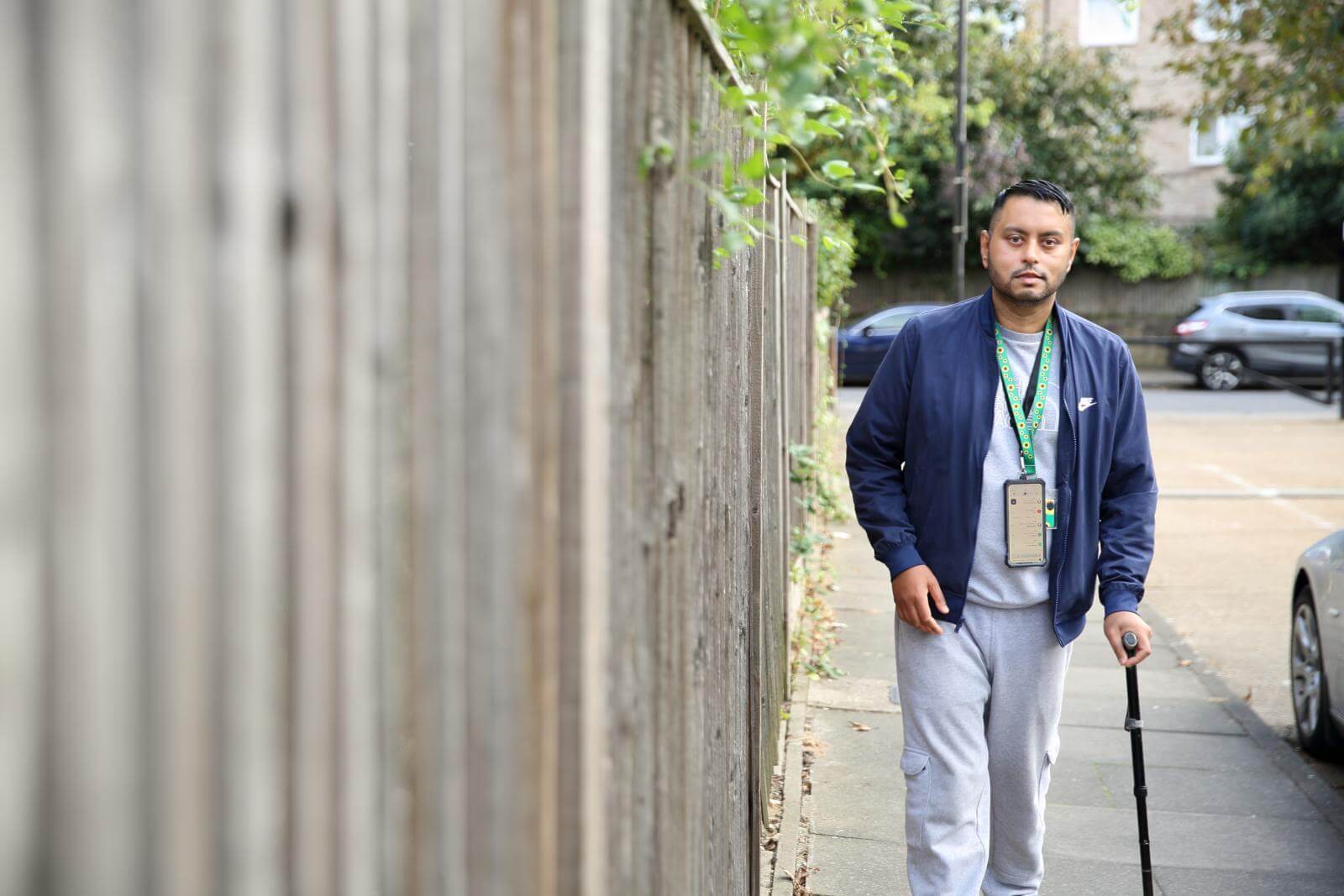
Types of physical change after stroke
Physical effects of stroke include:
- Muscle weakness.
- Foot drop (difficulty lifting your foot and toes).
- Spasticity and contractures (muscle stiffness).
- Changes in sensation.
- Fatigue (extreme tiredness).
- Swallowing problems.
- Bladder and bowel problems.
- Balance problems.
- Headaches.
- Changes to taste and smell.
- Vision problems.
- Pain.
- Seizures and epilepsy after stroke.
Click on an effect to get more information about it and how it is treated.
Rehabilitation and support with physical effects
These pages can only give general information. You should always get individual advice about your own health and any treatment you may need from a medical professional such as a GP or member of your stroke team.
Your stroke team will support you to make the best recovery possible for you. Recovery is fastest in the first few months after a stroke, but many people carry on making improvements for months or years.
After a stroke, you should be assessed to find out what your difficulties are. You should get all the rehabilitation and support you need to help with your recovery, and to enable you to be as independent as possible. The National Clinical Guidelines for Stroke provide practice guidance for rehabilitation after a stroke.
Rehabilitation starts when you are in hospital and should continue for as long as you need it after leaving hospital. Rehabilitation should have clear goals, agreed between you and your therapist. They may give you activities or exercises to practice in your own time to help with your recovery. Practising activities regularly in between therapy sessions can help you reach your goals.
If you need help with a physical effect of a stroke after you leave hospital, contact your GP. They can give advice and may refer you to specialists such as a physiotherapist or occupational therapist.
If you have difficulty getting the rehabilitation and support you need, contact our Stroke Support Helpline for advice and information.
You can have private treatment as well as NHS care, but you should tell your therapist or doctor.
Where to get support and information
Stroke Support Helpline
Our Stroke Support Helpline offers information and support for anyone affected by stroke, including family, friends and carers. Call us on 0303 3033 100, Textphone 18001 0303 3033 100 or email helpline@stroke.org.uk
- Association of Chartered Physiotherapists in Neurology (ACPIN) is a professional network which has a list of neurological therapists.
- Chartered Society of Physiotherapy (CSP) has information for the public on accessing physiotherapy. Tel: 020 7306 6666.
- OML sells functional electrical stimulation (FES) equipment and treatment. Tel: 01722 439 540.
- National Clinical Guideline for Stroke has information on stroke and what care should be provided after a stroke.
- Physio First is an association of private physiotherapists, with details of private therapists specialising in neurology. Tel: 01604 684 960.
- The Royal College of Occupational Therapists (RCOT) is a professional body for occupational therapists in the UK. It has an online directory to find an occupational therapist and publishes useful guides. Tel: 020 3141 4600.
Accessible resources
The information in this section can be accessed in the following formats:
- Download this information as a
- Order a printed copy from our Shop
- To request a braille copy, email feedback@stroke.org.uk