
Muscle weakness is common after a stroke and can affect some everyday activities. Find out more about this effect and how it is treated.
What is muscle weakness after stroke?
Weakness on one side of the body affects about 8 in 10 people after a stroke. Weakness on one side of the body is often referred to as hemiparesis. Paralysis on one side of the body is called hemiplegia.
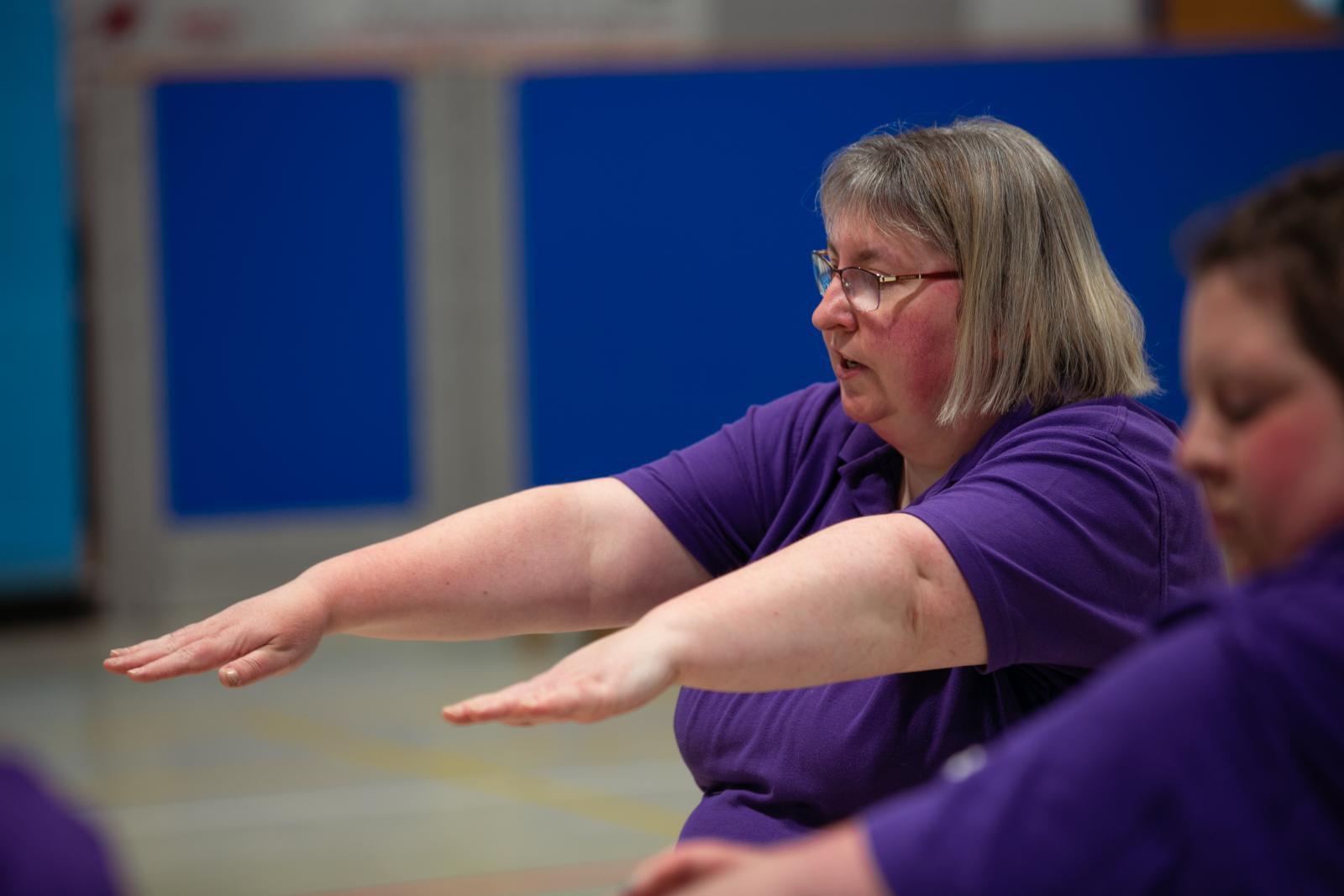
How can muscle weakness affect you after stroke?
- If your muscles are weak after a stroke, you could have difficulties with sitting, standing, walking, moving your affected arm or holding things.
- If you have weakness in your hand and arm, it might make some things harder, like picking up and holding objects, or other everyday tasks like dressing and washing yourself.
- If you have weakness in your leg, you may find it difficult to put your weight on it when standing or walking, which means you might be more likely to trip or fall.
- Muscle weakness can also affect your trunk muscles (around your back) on one side, which can also make it harder to coordinate movements and to balance. You might find sitting up or standing difficult.
You may need help with everyday activities.
Treatments for muscle weakness
Physiotherapy
A physiotherapist will assess your difficulties and work with you to set your goals. They will recommend activities and movements to improve your strength, stamina and flexibility. Physiotherapists use a variety of ways to help you to do this. For example, you might do activities to help you with sitting, standing, walking and reaching for objects.
You can work to strengthen your muscles, to make them work more efficiently. You can also learn to move and use your muscles in a different way, to make up for weak muscles. Rehabilitation begins with help from therapists, but practicing activities in between sessions can help you make progress.
If you have left hospital and not been referred to a physiotherapist, you can ask your GP if they can refer you.
Occupational therapy
Occupational therapists can help you to find ways to carry out everyday activities and maintain your independence. They can assess how the stroke has affected your life, including how difficulties with movement, balance and sensation are affecting your everyday activities.
They will work with you to find solutions. This may involve movements and activities you can practise to regain skills and build your strength. They may also suggest special equipment or alternative ways to do an activity. They can also give you advice and support if you’re thinking about returning to work.
To get occupational therapy after leaving hospital, ask your GP to refer you for assessment. Depending on your physical problems and where you live, you may receive treatment via the NHS or via your local council.