
On this page:
Caring for someone is a big responsibility and can feel overwhelming. It is realistic and not selfish to think carefully about taking care of yourself. If you don't look after yourself, you risk becoming stressed or unwell, which could also affect the person you are caring for.
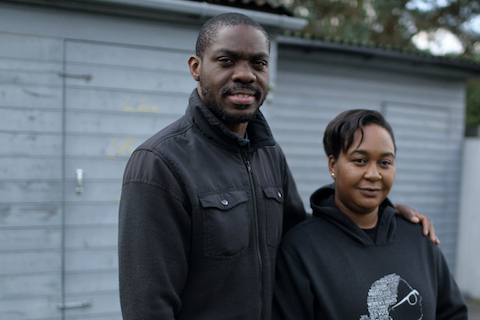
I lost myself for the year of his stroke and I am only just recovering now. As a carer, it’s so crucial to find time to recharge yourself, otherwise you cannot continue to give to those you love”
Adebisi, partner of a stroke survivor
Self-care ideas for dealing with the impact of caring
Here are some practical things you can try to look after yourself.
Emotional wellbeing
Keep a diary
When someone returns home after their stroke, they or you could keep a diary for a week. This can help to identify any unmet support needs.
Take a break
It may be difficult, especially if you’re a main carer, but taking breaks or getting help with some of your tasks is important. If it’s possible, try to organise your day with regular time to yourself. If you can’t go out or have a long break, you could try to fit in 10 minutes of yoga or mindfulness.
A carer’s assessment may recommend services like respite care to allow you to rest or have a break. Find out more about how respite care works.
Try relaxation techniques
These can help with stress or tiredness. Your local carers' centre may offer classes, or a stroke nurse might be able to give you advice. The NHS website also offers free audio guides and tools to help you relax.
Check your mood
When managing all your responsibilities and trying to keep going, it can be easy to miss signs of fatigue and stress in yourself. If you are feeling very low, tearful, anxious or are having trouble sleeping, it could be a sign to get help for yourself.
This could mean speaking to your GP, who can refer you to local support services or treatment. The NHS has tips for improving mood.
Physical wellness
Register as a carer with your GP
This can help you get some support. This might include health check-ups, information about health and wellbeing, and referrals to other support services.
Mind your back
If you need to help someone move around, an occupational therapist can show you safe techniques for moving someone without straining your back.
Stay active
Try to include some movement and activity in your daily routine. Evidence shows being active can increase your energy levels, help you sleep better and help improve low mood.
The NHS has a library of exercise videos, ranging from yoga and Pilates to aerobic exercise, which can be done in the comfort of your home. And getting outside for a walk and fresh air, when possible, is also important.
We offer a stroke-specific exercise programme to help stroke survivors get moving. We also have advice for how best carers can support them to do the exercises. It can be an enjoyable activity to do with the person who has had a stroke.
Eat well
Try to eat regular meals and drink plenty of water. It can be difficult to fit cooking and food shopping into a hectic schedule. But having a healthy diet will help you stay well and can also help with mood and energy levels.
Building a support network
Talk to someone who understands
We know caring for someone can feel overwhelming and isolating. You might benefit from a weekly conversation with one of our trained volunteers. Sharing your experiences with someone who is in a similar situation can help you understand stroke and learn new ways to cope. Find out more and how to sign up.
Our Online Community is also here to support you. Connecting you to people who understand what you are going through.
Stay in touch
Try to keep in contact with friends and family. Friendships can suffer after a stroke, especially if you find it hard to go out to socialise. Use technology to help you keep in touch with others. Video calls can let you chat with a group of friends or family.
We have information on IT support to help with this. Also, try letting people around you know you need support. Sometimes just knowing that someone else cares is enough to make a difference.
Connect with unpaid carers
Many people find that speaking to others in a similar situation is helpful. You can meet other stroke carers through our network of clubs and groups. Many groups offer a virtual choice for meeting others, so you can often join from home. Or you can look for a local carers group.
Why not listen to an episode of the On A Good Day podcast? It shares experiences of those living with and caring for someone with a brain injury.
Everyday support
Don't be afraid to ask for help
People around you may be able to do some practical things like shopping or spend time with the person you’re looking after.
Become a member of Carers Card UK
This service offers a card and app to benefit all unpaid carers by helping them to be recognised, supported and rewarded through discounts. Members can access the wellbeing hub, which provides advice, exercise videos and relaxation tools.
You can also contact the Stroke Association
Whether you need information or help, or to chat when times are tough, the Stroke Support Helpline is always just a phone call or email away.
Simply give us a call on: 0303 3033 100
Email: helpline@stroke.org.uk