
After a loved one or someone close to you has had a stroke, the journey you go on together can bring up a range of emotions and challenges. Everyone’s journey is different and recovery time can vary. If your loved one is leaving hospital, it can feel like a big step for you both, and it can be a good idea to seek some support.
This section provides information on the different stages after someone has had a stroke and how to cope with them.
What happens in hospital?
If someone has a suspected stroke, they will be taken to a hospital with a specialist stroke unit. They will need tests to confirm they have had a stroke and to ensure they get the right emergency treatment.
How long someone stays in hospital can depend on the severity of their stroke and how it affects them.
The medics told us her condition was so severe, there was no real chance of regaining mobility and speech.
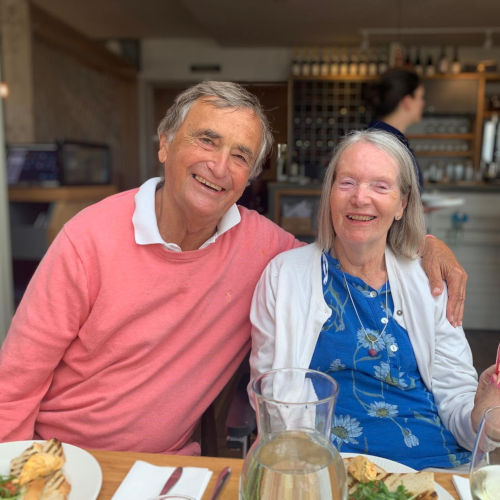
Some of my family thought I was mad, but I just knew I wanted Clare at home. I felt extreme pressure as the clock ticked down towards her discharge date. Great excitement mixed with huge trepidation. It was entirely new territory, a leap into the unknown, where I couldn’t afford to mess up. Clare’s wellbeing was at stake.
Planning and getting ahead of the game is the only way I manage the demands. I believe the positive atmosphere and the goal of normality have played a significant part in Clare confounding medical opinion.
Jeremy, husband of stroke survivor Clare
Your role in the discharge process
Before the stroke survivor leaves hospital, the stroke team will work with you and professionals to create a plan for the care they need when they leave and assess long-term needs. This process is called discharge.
The hospital discharge process includes the kind of personal and medical care the stroke survivor needs from unpaid carers, as well as professional carers. The hospital stroke team should involve you and the person who has had a stroke in decisions. Decisions may include when they leave hospital, what care they need and who will provide it. The person who has had a stroke and you should be offered copies of their transfer documents.
What should I be asking?
When a loved one or someone close to you has had a stroke, you are likely to have questions at each stage of your journey, although sometimes it can be hard to know what questions to ask. We have some suggestions to help you stay informed when someone you know has had a stroke.
Early Supported Discharge
Some stroke survivors may qualify for Early Supported Discharge (ESD). This allows them to leave hospital soon after a stroke, and continue to have the medical care and therapy at home that they would have been receiving in hospital. As a carer, you may want to:
- Check that ESD services start within 24 hours of discharge.
- Ask the discharge team about the duration of the support.
- Ask how the support will be funded.
We have an equipment and essentials checklist to help you and the stroke survivor prepare for leaving hospital.
We also have more information to help you understand the hospital discharge process and answer any questions you might have.
The NHS has produced a leaflet to give you more information on looking after family or friends after they leave hospital.