
A stroke is sudden and shocking. It can affect every part of your life. And your life might look quite different to how it was before.
Because a stroke happens so quickly, people sometimes leave the hospital without knowing what's happened or processing their feelings about it. When you feel ready, we have lots of information to help.
You do not need to face life after a stroke alone.
Support for you
Stroke Support Helpline
Our Stroke Support Helpline is here for you. Whether you need information, or to chat when times are tough, our friendly team is just a phone call or email away. Call us on 0303 3033 100 or email helpline@stroke.org.uk
Frequently asked questions
A stroke happens when the blood supply to part of the brain is cut off, killing brain cells. A stroke can be caused by a blood clot creating a blockage in the brain or by bleeding in or around the brain. Find out more about what a stroke is and the causes of a stroke.
For many stroke survivors, their greatest fear is having another stroke.
Once you've had a stroke your risk of having another is increased, but understanding what factors may have caused your stroke will help you know how to reduce your risk of having another one. If you're not clear, go back to your GP and ask for more information about your own risk of a stroke.
Because every stroke is different, there is no set pattern for recovering from one. So, it can be difficult to say how well or how quickly you'll recover.
It's likely that you'll see some immediate recovery in the first few days and weeks after your stroke. But recovery can continue for months and years after a stroke. Some people make an almost full recovery, but others may have long-term effects. Learn more about recovery.
First steps
Stroke survivors tell us that the most important thing they did after their stroke was to connect with other stroke survivors. Here are some ways that can help you do this:
Daily living
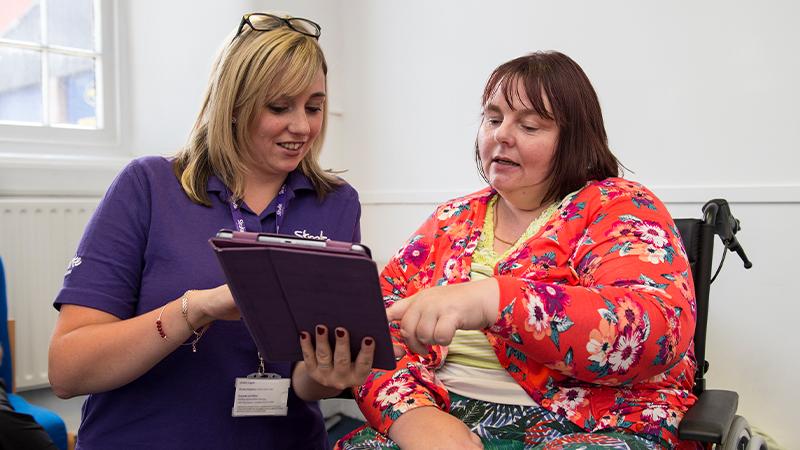
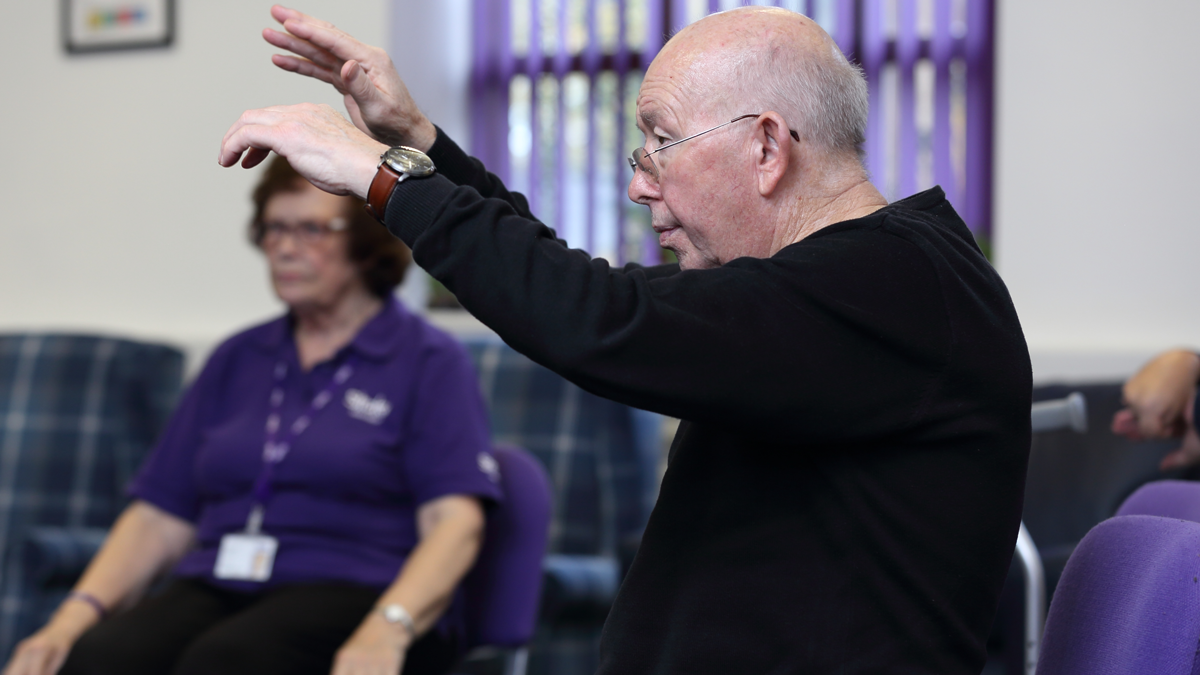
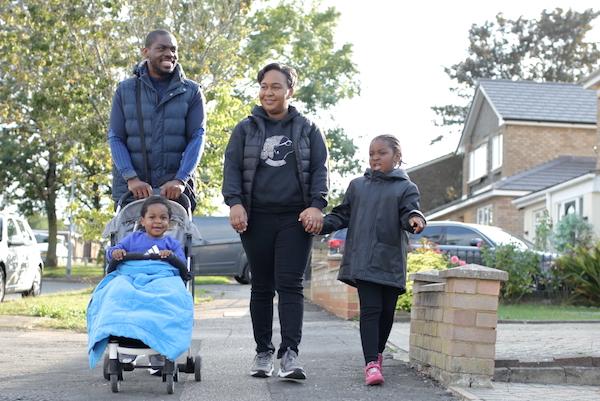
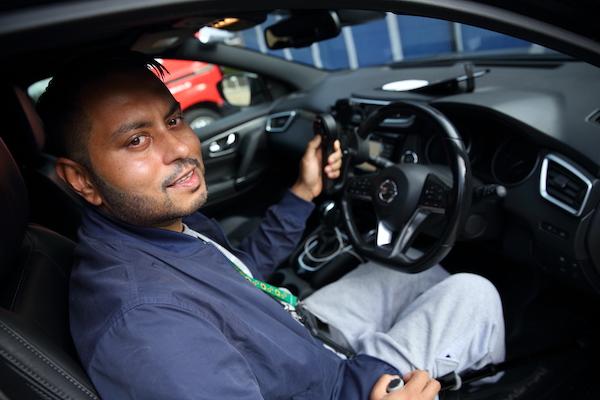
I am not in work, I am unable to drive, and we had to cancel a family holiday. A Stroke Association Support Coordinator was so comforting and showed me there is light at the end of the tunnel and it’s a hard journey, but I can get there.
Angharad, stroke survivor
Accessible formats
Access information about stroke and managing your risk in various offline formats:
- Download our PDF or large print Word document.
- Order your printed copy from our shop.
- Request a braille copy by emailing feedback@stroke.org.uk.