
World Stroke Day 2025
New research shows that two-thirds of people in the UK don’t know stroke is the leading cause of complex adult disability.
Learn more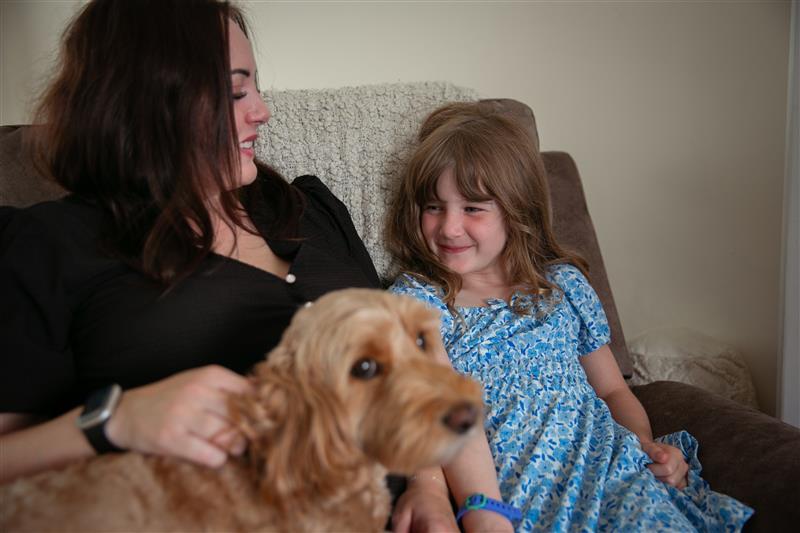
Since having her stroke in March 2024, Angharad Dennis from Loughor, Swansea, has struggled with the emotional toil of her stroke and finds the change in her life very difficult to manage.
“Strokes don’t discriminate, and I never thought I would have one so young, but they can happen at any age,” says Angharad.
Before her stroke, Angharad was a busy, active working mum to six-year-old, Cari. She worked full time as an office manager and was about to start up a flower preservation business. She was just getting back into running after getting married in November 2023.
After an MRI at Morriston Hospital confirmed her stroke, Angharad was moved to the stroke ward on the day of her 32nd birthday.
“I had six weeks of physio and core occupational health. I had an early support discharge physiotherapist come to the house too,” she says.
“The life after stroke care nurse is always on hand too and rings me back straight away and the continuity of care from the GP surgery has been good,” she says.
But Angharad has found the change in her life hard to manage and is anxious about the future.
“I struggle to control my emotions, and my mobility is restricted mainly due to fatigue. I have slight short-term memory loss and my speech, and comprehension of words can be affected when fatigue is at its worst,” she says.
“I am not driving or socialising as often, I am not in work and my new business venture is on hold”, she says.
She also feels it’s had a huge impact on her family. “I am unable to pick or drop my daughter at school, which is only 0.3 miles away.”
“This hurts me so much as I just want to do the normal things every mum should be able to do. I am fiercely independent and now have to rely on family, friends and neighbours for support.”
“We had just sold our house two weeks before the stroke but we had to pull out of the sale due to the uncertainty,” says Angharad.
Although Angharad has found it difficult in the early stages of her recovery she remains optimistic. “I see the progress I am making, and I am weirdly humbled by how I have had to slow down and appreciate life more,” she says.
“I am determined to push forward and show my little girl how strong I am. I will run again; I will feel fit and healthy in my own body and mind.”
Angharad was proactive in the early stages of her recovery with finding information and people who would be able to help support her.
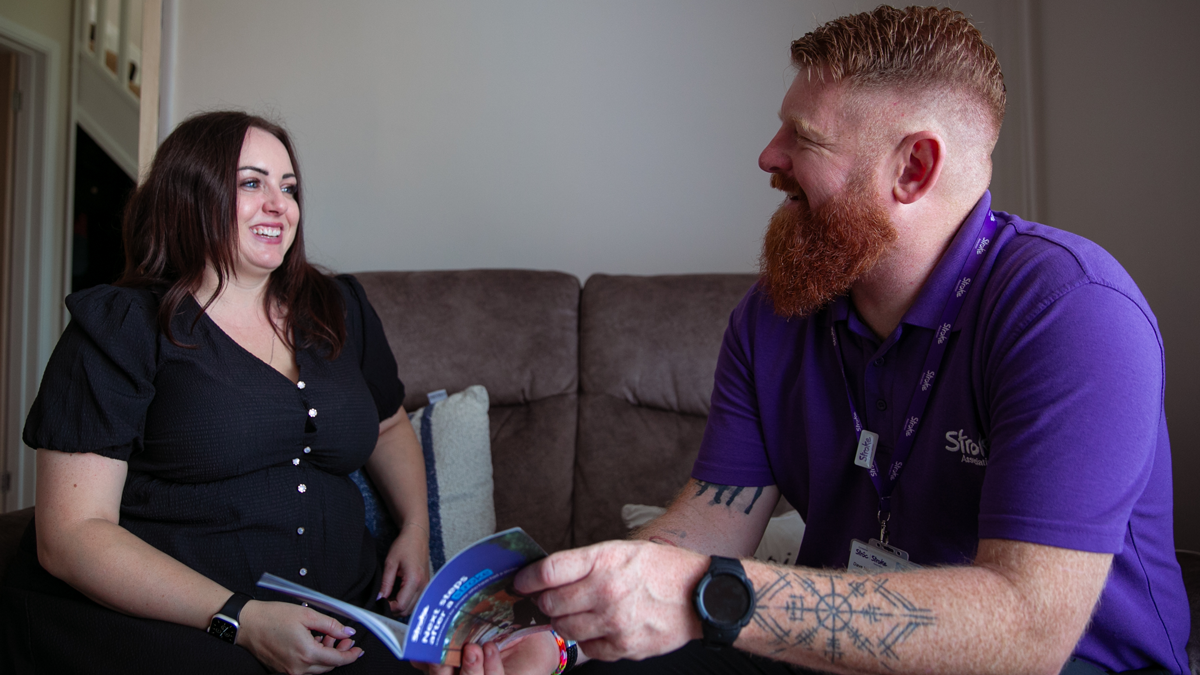
“I contacted Dave, the Stroke Association Support Coordinator one week post stroke on a Saturday afternoon. I was completely shocked that he responded straight away and provided emotional support via email. It was his day off, but he checked his emails and couldn’t not get back in touch to help me.”
“Dave had a stroke as well, so he has been there, done it and still doing it. It was nice speaking to someone who had that lived experience and I felt at ease.”
“He came to visit me at my home a few days later and provided invaluable words of support and comfort. He gave me a book to help explain to my daughter what had happened, something I found difficult and emotional.”
“He was so comforting and showed me there is light at the end of the tunnel and it’s a hard journey, but I can get there.”
In 2025, we spoke again with Angharad about how she is doing and how she feels about her recovery journey.
"Recovery has been slower than I had ever expected, but I have had a lot of support from healthcare professionals which has made it easier. I still can’t walk long distances and fatigue does throw up some curve balls most days, but learning to accept and manage this has been helpful."
"I have accessed counselling from my local brain injury service to deal with the emotional and psychological effects which was very helpful. I have attended a fatigue management course, got back in the gym using the NERS programme and have been focused on setting up my new business which has given me a new purpose and daily drive to succeed."
"By being there when I needed someone the most, during my most vulnerable time (hospital discharge) speaking to someone who understood what I was going through just made such a difference."
"Working on the campaign helped me feel like I had a voice, felt heard and like my story was helping other people. This also helped me process a lot of internal feelings about what had happened to me."
New research shows that two-thirds of people in the UK don’t know stroke is the leading cause of complex adult disability.
Learn more
Alexandra shares her experiences of working with our digital…
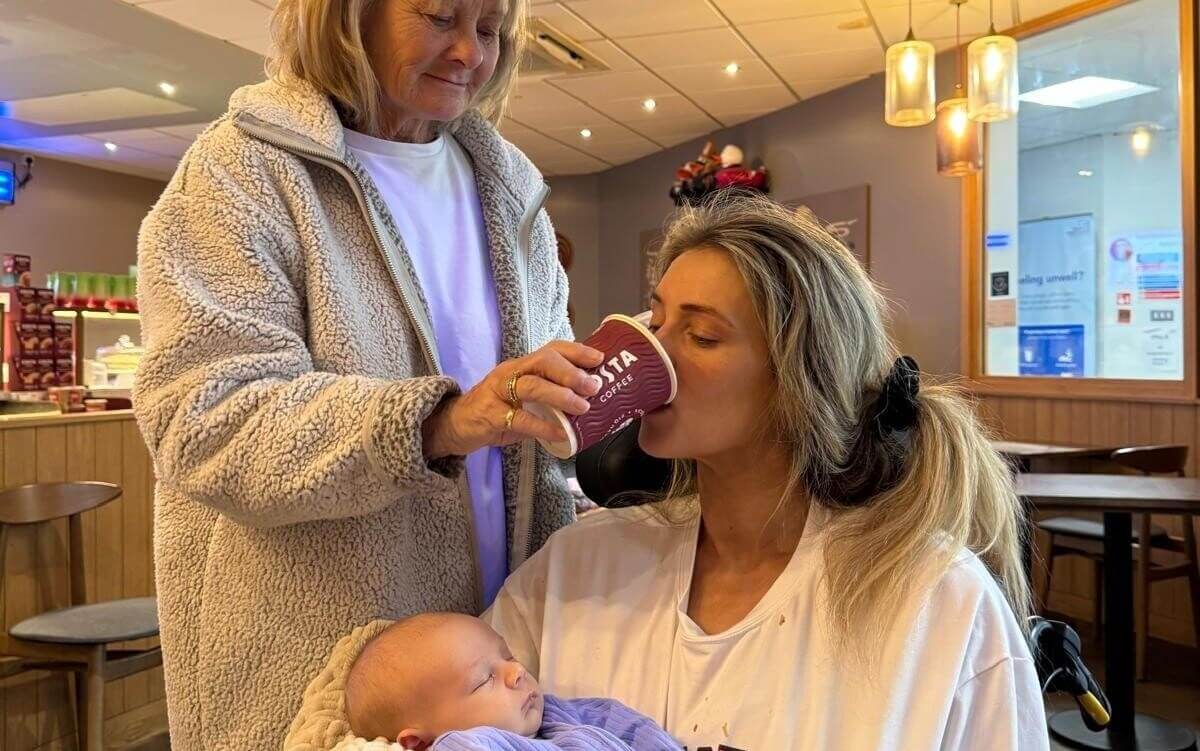
A 34-year-old mum from Chester is sharing her story after having…
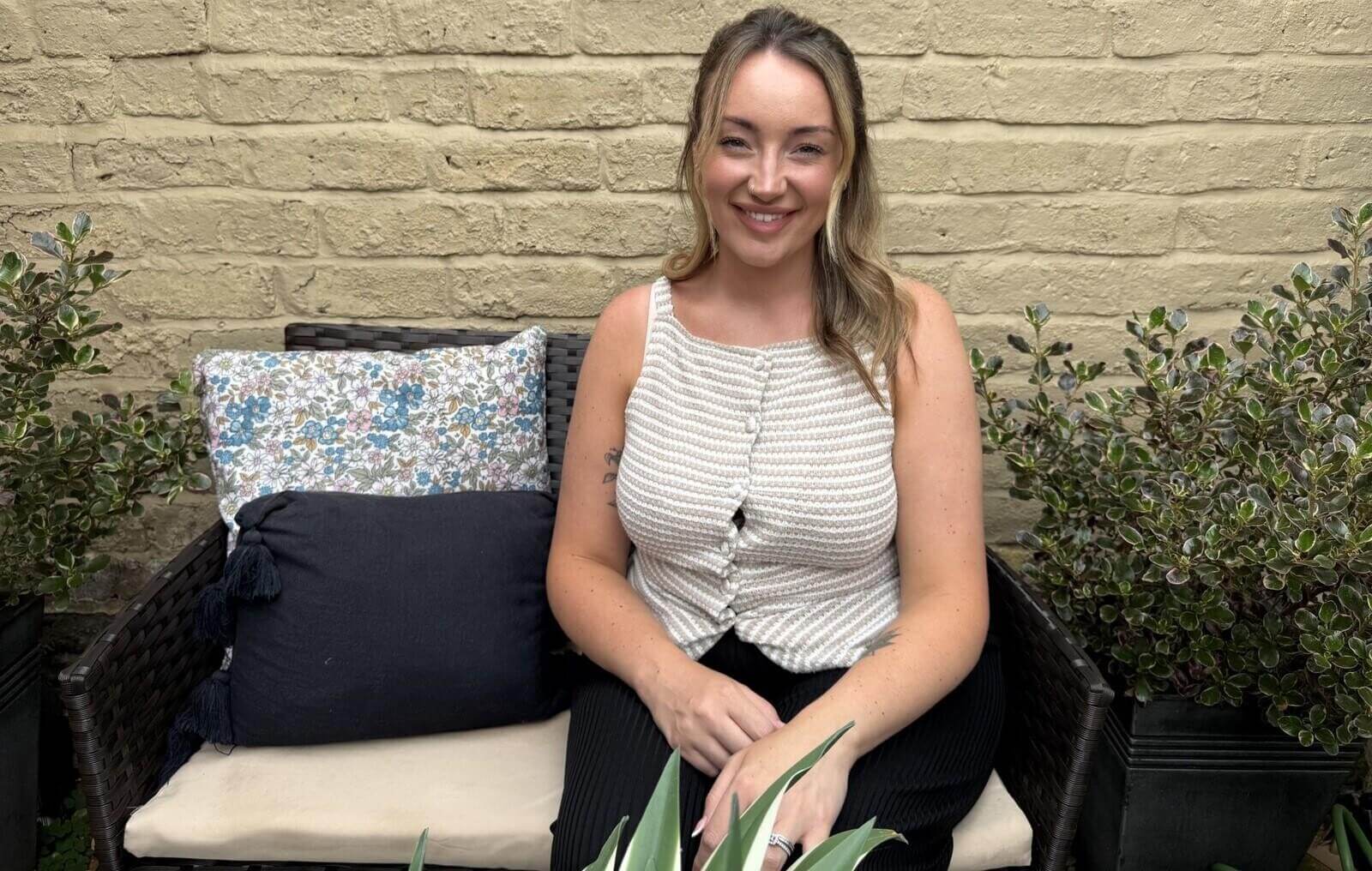
Stroke survivor Louise, 30 from Wigan, has worked with the…