All the ways we can help you
We're here to support you on your path to recovery. Our support hub brings together all our online and in-person services, advice and guidance for stroke survivors and their families.
On this page:
A stroke is a medical emergency. If you think you or someone else has any stroke symptoms, think FAST and call 999 straight away. Ambulance paramedics are trained in stroke and will take you to the best hospital for specialist treatment.
There are more than 100,000 strokes in the UK each year. That's around one stroke every five minutes. But no two strokes are the same, which means there is no set pattern for recovering from one. It also depends on the type of stroke you have and the stroke services that are available in your area.
If you have a suspected stroke, you'll be taken to a hospital with a specialist stroke unit.
On arrival, you will need to have tests to confirm that you have had a stroke and make sure that you receive the right emergency treatment. The quicker your stroke is diagnosed and treated, the better your recovery will be.
You should have a brain scan soon after symptoms start, within an hour of arriving at hospital if possible. The scan can show whether the stroke is due to a clot or a bleed.
We're here to support you on your path to recovery. Our support hub brings together all our online and in-person services, advice and guidance for stroke survivors and their families.
Stroke survivors often tell us there's a lot to take in when first diagnosed, which can leave them unsure about the type of stroke they've had. In some cases, it's not always immediately clear which type someone has had. It's always best to speak to a healthcare professional, but here is a brief overview of the types of stroke.
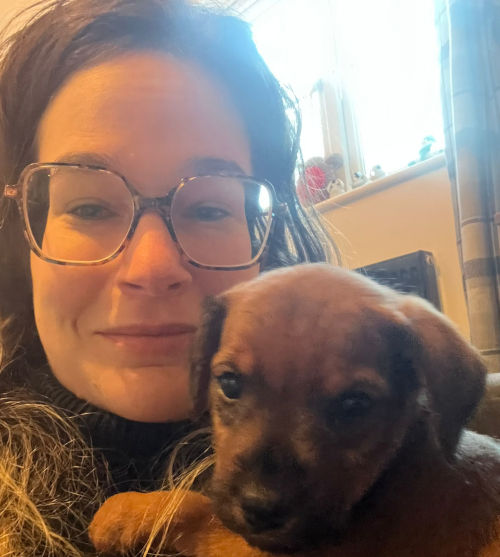
[I] was diagnosed with a stroke on Ben’s [my husband's] 31st birthday. It was a bizarre and exhausting time. Accepting my diagnosis has been a huge accomplishment. Manu [a counsellor from the Stroke Association’s Cornwall Emotional Support Service] helped me see things differently.
Lisa, stroke survivor
Recovery is different for everyone, but receiving treatment quickly will give you the best possible chance of making a good recovery.
Your brain scan results will help doctors identify what caused your stroke and ensure you get the right emergency treatment.
Our Stroke Support Helpline offers information and support for anyone affected by stroke, including family, friends and carers. The Stroke Support Helpline can give you information and support on any aspect of stroke. Call us on 0303 3033 100 or email helpline@stroke.org.uk.