
How is high blood pressure monitored?
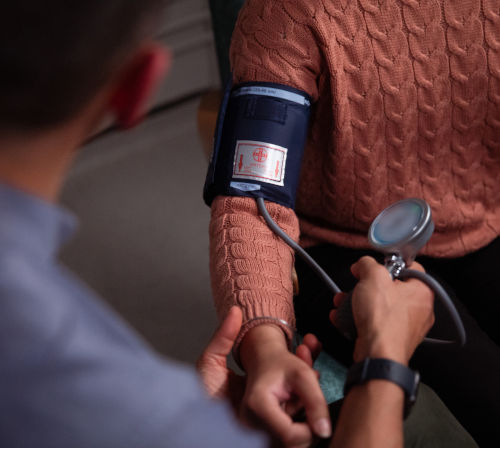
Monitoring high blood pressure is important to help you stay healthy and prevent stroke. This can involve regularly getting your blood pressure checked and making sure you take any medication correctly.
The information on this page looks at how healthcare professionals monitor your blood pressure, as well as how you can monitor it from home.
How often should I get checked?
- If you have been diagnosed with high blood pressure, you should be monitored until you reach your target blood pressure. Afterwards, you should have a check once every six months to a year.
- Even if you’ve not been diagnosed with high blood pressure, all adults over 40 should have their blood pressure checked at least every five years, or more often if you’re close to the threshold for having high blood pressure. If you’re from a Black African, Black Caribbean or South Asian background, you’re encouraged to get checked at an earlier age.
Don’t ignore your blood pressure. Ask questions. Know your numbers, because I’m living proof it can save your life.
Natasha, stroke survivor

Monitoring blood pressure at home
It’s possible to monitor your own blood pressure at home. Your GP may provide a home monitor in some areas, or you can use one you have bought yourself. The British Heart Foundation has tips for choosing and using a monitor at home.
Some fitness trackers and mobile devices can measure blood pressure and heart rate. These can help you keep an eye on blood pressure, but most of these are not as accurate as a medical device.
The NHS website has a tool to help you understand your blood pressure reading.
Read information from the NHS in Scotland on high blood pressure.
Do you want more information or support about monitoring high blood pressure? Our Stroke Helpline is for anyone affected by a stroke and can help with any aspect of stroke.
Call us on 0303 3033 100, from a textphone 18001 0303 3033 100 or email helpline@stroke.org.uk