
You may find yourself spending more time at home after your stroke as you recover. Many people see some changes to their daily routines which can leave them feeling isolated or lonely.
Whether your stroke was recent or some time ago, it can have a big impact on your emotional wellbeing. So it’s important to recognise how you’re feeling and think about ways to get support.
How can I reduce my feelings of loneliness?
Remember that you’re not alone. Talk to friends or family if you can about how you feel.
You can also call our Stroke Support Helpline and speak to our friendly team. Call us on 0303 3033 100, textphone 18001 0303 3033 100 or email helpline@stroke.org.uk. We’re here to listen and can help you to find out what support is available to you.
The Stroke Support Helpline can also tell you if there is a stroke support group in your area where you can meet people face-to-face. Many people find it helpful to meet others who have experience of stroke themselves. Or search for a group by entering your postcode.
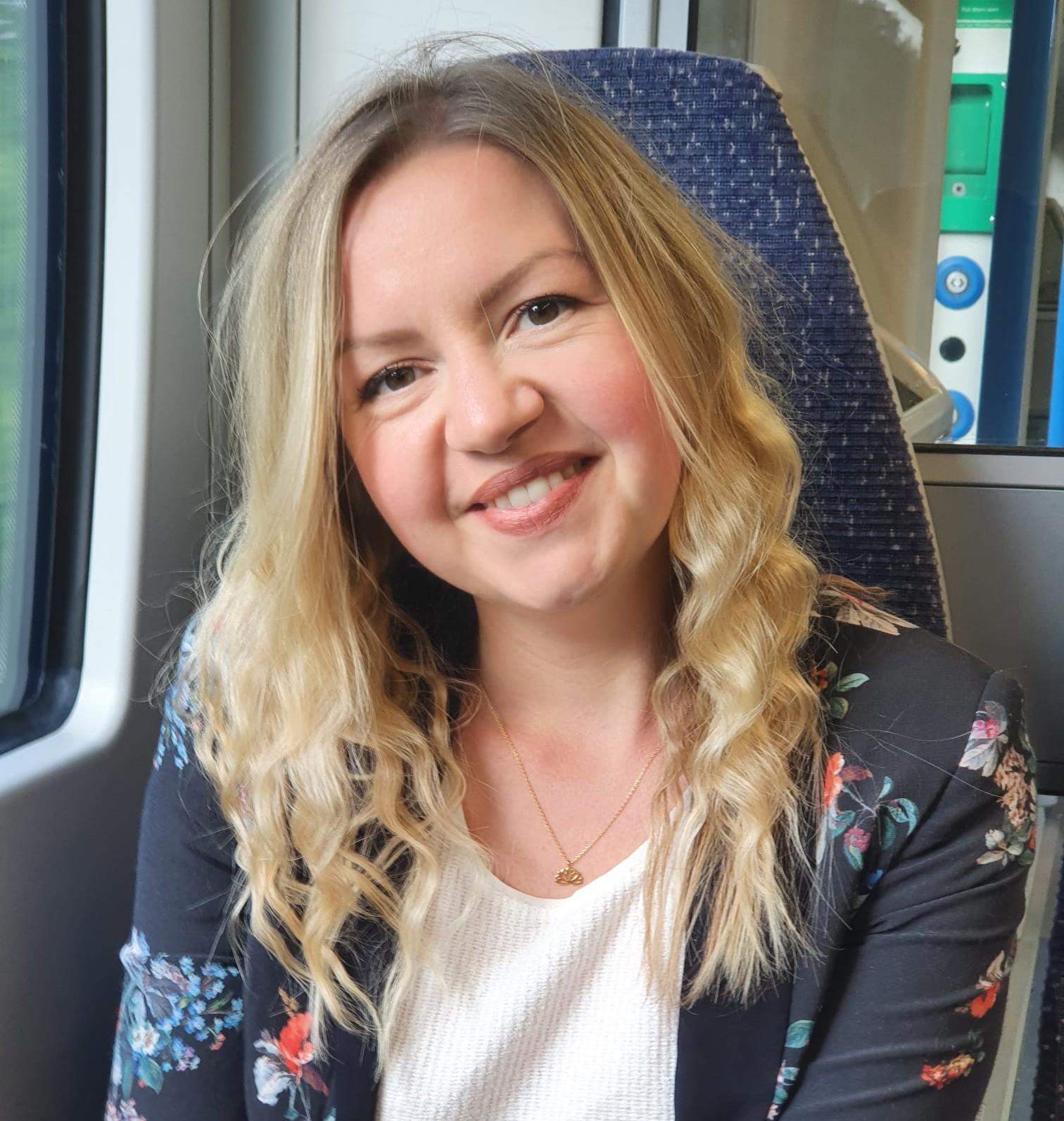
Every day I would go onto the Stroke Association’s Facebook page and read different stroke survivors’ journeys. Some people were a year down the line with their recovery, and some were seven months or as recent as a week ago. Being aware of that community really helped me.
Chloe, stroke survivor
Hobbies and interests are also a good way to keep your mind active, distract yourself and keep going with your recovery. Our hobbies page gives some ideas for new things you could try. An occupational therapist can give advice on adapting your old hobbies if you find them harder after stroke.
More ways to get support
There are a range of support services to help you if you are feeling isolated:
Over the phone
- We offer Weekly Volunteer Calls. If you or someone you know has had a stroke, you can talk on the phone with one of our trained volunteers. You can share your experiences or chat about things important to you, like hobbies and interests.
- SupportLine (01708 765 200) offer confidential emotional support to anyone of any age.
- The Silver Line Helpline (0800 470 80 90) also offers friendship and advice to older people at any time of day or night.
Online
- Meet others affected by a stroke on our Online Community. It’s free and easy to register. You can connect with stroke survivors and carers around the UK. People tell us that being part of an online community helps them feel more supported, confident, and positive about the future.
- Our guide to getting online is useful for anyone who would like to know more about using the internet, and it's particularly helpful for people with aphasia.
- If you are happy using social media, you can connect with other stroke survivors through our Facebook groups too.
Support for carers
If you’re a carer or supporting someone after a stroke, you might also be feeling lonely. It’s important that you look after yourself too. Visit our online forums to share your experiences with other carers.
We have more information and support for carers, including advice on looking after your emotional wellbeing.
We also have tips for family and friends on easing someone’s loneliness.
And remember our Stroke Support Helpline is there for you too. Call us on 0303 3033 100 or email helpline@stroke.org.uk
Carers UK provide the Jointly app, which lets you set up a circle of care to communicate with the people involved in caring like family members, professional carers and friends. The app is £2.99 and is available for Android and Apple devices, as well as online.