Stroke survivors often tell us they are unsure how to start moving more. And people who were active before their stroke say they sometimes lack the motivation or confidence to return to exercise.
Here are practical tips for beginning to be active after your stroke and for finding the motivation to keep moving.
1) Start slowly and build up
Start slowly. Take it one step at a time, and do not do too much too soon. Plan in some time to rest between activities, or at certain times of day. If you have fatigue, rest is especially important. successful and keep going.
2) Find something you enjoy
Try different things. If you can find something you enjoy doing, it makes it so much easier to keep going. For example, you could try doing chair-based exercises or walking while listening to music, to make it more enjoyable.
3) Plan an activity in your day
If you’re planning an activity, put it in your diary or phone calendar. That way, you’re much more likely to do it. Why not tell someone what you’re going to do, so they can ask you about it later? It might help you stick to your plan if you know someone is interested.
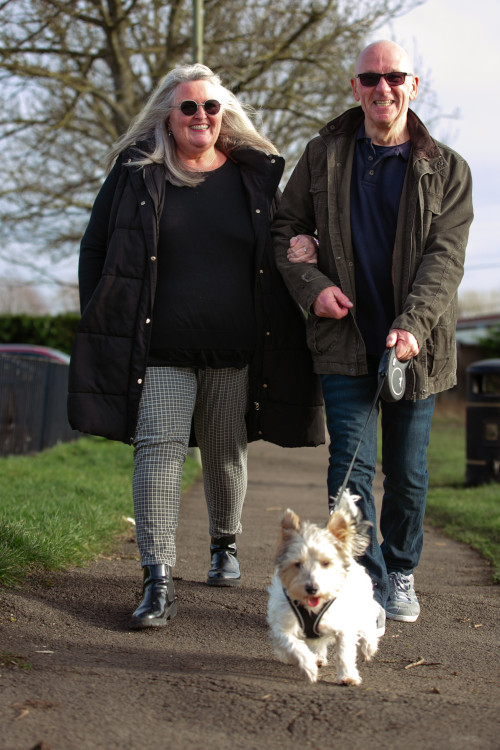
‘You can start with small things, like little swaps and getting outside. It might be having a simple movement plan or learning to manage your stress.’
Olivia, stroke survivor
If you were active before stroke
If you were physically active before your stroke, you might find it frustrating if you cannot return to doing your favourite exercise or sport in the same way you used to. Many people who were active before their stroke tell us they returned to some form of physical activity, even if it’s sometimes at a different level than before. Think about ways to adapt an activity you enjoy. For example, rather than running to hit a target, you could choose an interesting route and use your run to connect with the outdoors.
4) Do it with other people
Many people tell us sharing their activity goals with others can really help, especially if you lack the confidence or motivation to get started.
If you can find someone with similar goals, you can encourage each other and celebrate your successes together. Some people enjoy doing things with people of a similar ability or level of fitness, as it makes them feel more motivated to keep going and helps build their confidence.
You can find groups which run inclusive activities near you
5) Share your activity goals
Tell friends and family you’re planning to be more active. Ask them to encourage you by asking how you did each day or each week. They could help you record your activities on paper or using an app. They could do some activities with you, such as chair-based exercises at home or going for a walk or run together.
You can also find support via our Online Community. This is a forum where stroke survivors can share tips and stories about getting active.
6) If you stop, have another go!
Do not be put off if you cannot keep going with an activity. You might lose enthusiasm or need a change. You may just need to try a few different things before you find what suits you. See if you can find a way round any practical issues, such as transport problems.
Sometimes a chat with a friend or therapist can help you find solutions. If you’ve lost motivation, just going back to an activity once can remind you how much you enjoy it and give you the boost you need. Bringing a friend along for support might help.
Setting your movement goals
- Set yourself realistic goals: Make it specific and achievable. Rather than ‘I want to get back to normal’, you could choose ‘I want to weed the garden’. Your goal should suit what you can do and what you enjoy.
- Set a date to reach your goal: Make the goal something you can achieve in a few days or weeks. If it’s too difficult, or too far off in the future, it can be hard to stay motivated.
- Break it down into small steps: Think about the small steps you need to take to reach your goal. You could plan to do one step each day. Your first step could be to get to your back door. Another step could be practising using garden tools. Another step could be walking around the garden.
Challenge yourself but keep things achievable. Taking those smaller steps will help you reach your overall goal in the end. - Record your progress and celebrate your success: Keep a note of the things you do, and when you reach a goal, celebrate! You can get friends and family involved in doing the steps towards each goal. They can talk with you about your activities and join in with celebrating your successes.
You can use a notebook or diary to record what you do, or use an activity tracker or fitness app on a smartphone or smartwatch.
I have found yoga and meditation helps, as does setting myself goals.
Ruth, stroke survivor