Why is this research needed?
Up to 9 in 10 people experience thinking and memory (cognitive) difficulties after a stroke. These difficulties are different from person to person but can include challenges with planning movements or being able to recognise common objects, or even not being aware that you have had a stroke.
There are lots of different ways that healthcare professionals can test whether someone’s experiencing thinking and memory difficulties after a stroke. The most commonly used tests weren’t specifically designed for stroke, can’t be used by stroke survivors who have aphasia, and are better at detecting mild cognitive difficulties than more severe ones so they aren’t suitable for people whose strokes have caused extensive thinking and memory difficulties. Tests for these difficulties can take a long time, because of all the different ways in which a stroke can affect thinking and memory. This can be taxing for stroke survivors, especially those who are facing other challenges like fatigue.
What are the aims of this research?
During his Postdoctoral Fellowship, Dr Sam Webb is developing a new type of test for thinking and memory difficulties after stroke, which addresses all these drawbacks to existing tests. This new test is called the MCS-Stroke. It’s not meant to replace an assessment by a neuropsychologist (an expert in cognitive difficulties), but it can help identify whether someone is likely to need an expert assessment.
Sam plans for MCS-Stroke to work as follows:
- For each aspect of cognition that the test covers (e.g. memory), everyone will start with the same test, which is medium difficulty.
- Your score on the first test in that aspect of cognition will determine your next test. That might mean the next test is easier if you have a low score, harder if you have a high score, or more specific if you seem to have difficulties in a certain area (e.g., if you have trouble with short-term memory but not long-term memory). This ‘adaptiveness’ means that you should only end up doing tests that it’s actually useful for you to do, while still giving an accurate assessment of where your difficulties lie.
- At the end, you receive a set of scores which summarises your strengths and weaknesses in different aspects of thinking and memory.
First, Sam is working with stroke survivors, occupational therapists and neuropsychologists to figure out which tests should go into MCS-Stroke, then with software engineers to develop a prototype MCS-Stroke app for pilot testing. During pilot testing, he will ask stroke survivors to give their feedback on how well it works and check that the scores the app generates for a stroke survivor accurately reflect the difficulties that they are facing.
What is the benefit of this research?
If all goes to plan, by the end of his Postdoctoral Fellowship, Sam will have co-created the first ever app-based test for cognitive difficulties that is specifically designed for stroke survivors. While further testing will be needed, Sam hopes that MCS-Stroke will eventually be used around the world, giving more stroke survivors an accurate insight into their thinking and memory difficulties and making it easier to access personalised support for returning to day-to-day activities like school, work and hobbies.
What PSP priorities does this research link to?
From 2019 to 2021, we worked with the James Lind Alliance on the Stroke Priority Setting Partnership (PSP). During the PSP process, we collaborated with people with lived experience of stroke and stroke professionals to find out what they thought were the top priorities in stroke research. From this, we identified the top ten priorities in two areas: prevention, diagnosis and short-term care, and rehabilitation and long-term care.
Now, when researchers apply to us for funding, we require that their work addresses at least one of these priorities, or a priority from the Childhood Neurological Disabilities PSP Top 10 as it relates to childhood stroke.
Sam’s project addresses the following priority from the Stroke PSP:
- Rehab and long-term 2: Thinking and memory (cognitive) difficulties after stroke
- Rehab and long-term 10: Improving stroke survivors’ and carers’ experience of the stroke care pathway
Meet the researcher
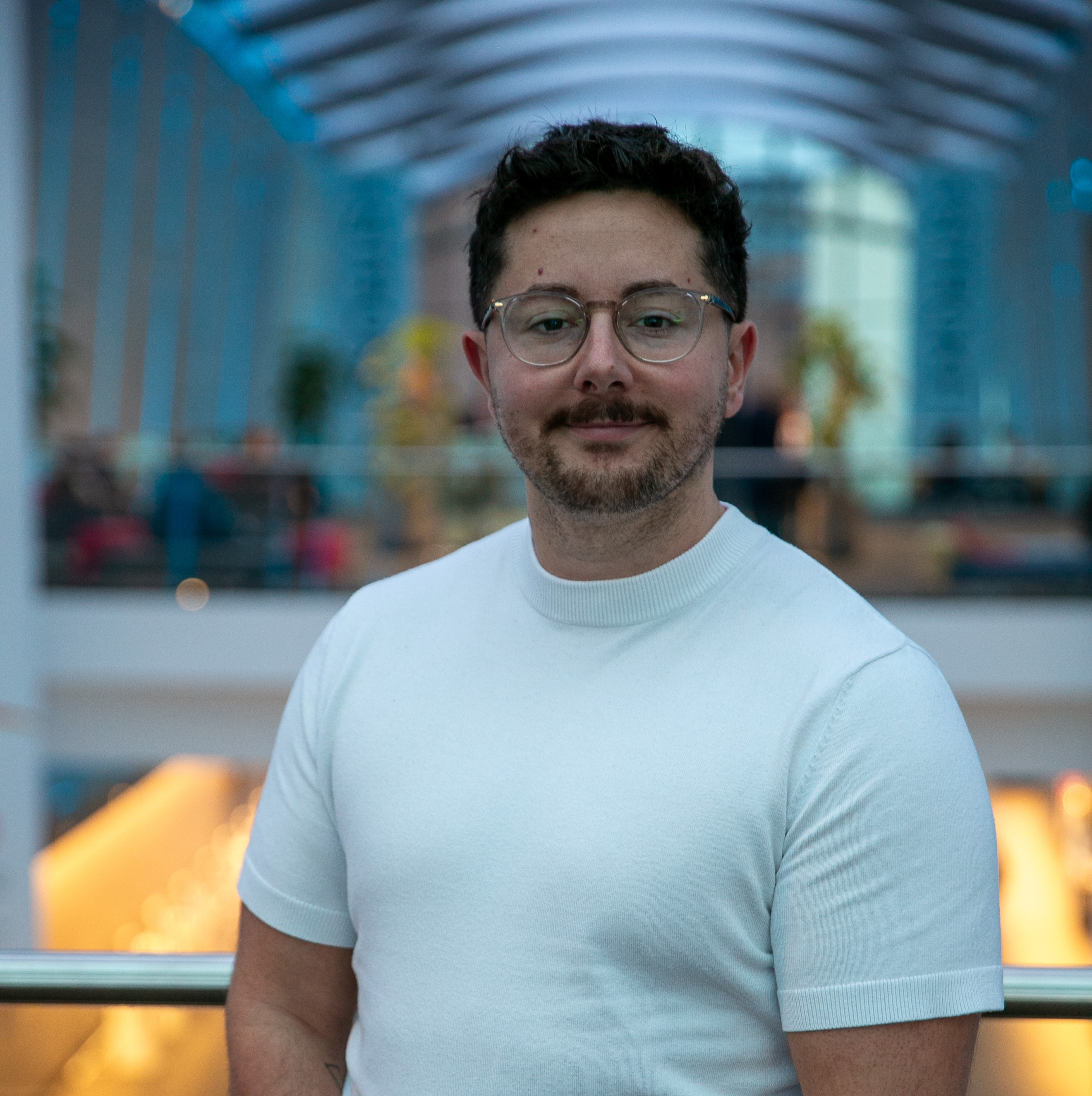
Dr Sam Webb is a Postdoctoral Research Fellow in the Division of Clinical Neurosciences at the University of Oxford. Previously, Sam completed a Stroke Association-funded PhD, during which he tested a virtual shopping task called OxMET, which can detect problems with planning and problem-solving after stroke.
Sam’s supervisors are Professor Nele Demeyere of the University of Oxford and Professor Terry Quinn of the University of Glasgow. Sam is also mentored by Dr Luning Sun of the University of Cambridge and Dr Kathleen Vancleef of Durham University. Nele, Terry and Kathleen are experts in measuring memory and thinking after stroke, while Luning is an expert in statistics and psychometrics (how we measure ‘unseen’ things in the mind like thinking abilities).