
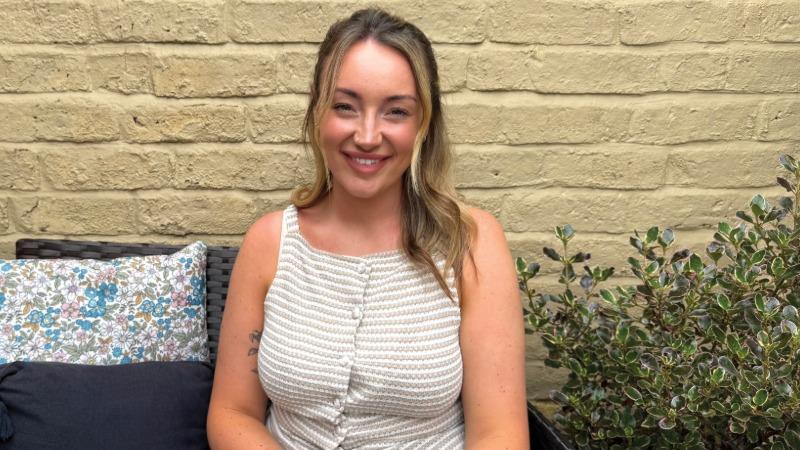
Louise was just 20 when she had a devastating stroke. Now, 10 years later, she’s helping to make sure other young stroke survivors feel seen and understood.
In 2016, Louise was working as a legal secretary in Wigan, hoping to train as a solicitor. Then one morning in June, she woke up feeling really unwell.
‘I vomited a couple of times, then later, while I was at my friend’s house, the whole room started spinning,’ she says. ‘I was so dizzy, my coordination went and the left side of my face felt numb.
‘I said – although I never thought it would be true – that I felt like I was having a stroke. I thought I was being ridiculous, so I asked my friend not to phone an ambulance.’
The next morning, Louise woke to find she couldn’t feel the toes on her left foot. She went to see her GP, who said it was probably just a reaction to something. But that night, her symptoms escalated dramatically.
‘I genuinely thought I was going to die,’ remembers Louise. ‘I had a severe pain in my head – like it was going to explode. I lived with my sister, so tried to shout for her. She found me covered in vomit and tried to stand me up, but I’d completely lost the use of my legs, so she called an ambulance.’
Despite being unable to see, speak, or walk, paramedics mistook her symptoms for the effects of drugs or alcohol, and didn’t take her to hospital. Only after her sister called 999 again was Louise finally taken in. An MRI confirmed she’d had a stroke — three days earlier. Doctors later discovered that it was caused by a hole in her heart, which has since been repaired.
‘I feel like I wasn’t taken seriously because I was so young,’ says Louise. ‘I’ve since learned how important time is when you have a stroke, and I get so upset because I feel like I was completely failed.’
Louise spent three weeks in Wigan Hospital receiving physiotherapy, but once discharged, she received very little follow‑up support. Struggling with trauma, anxiety and depression, Louise went to stay with her parents in Ireland to recuperate.
‘The stroke had a massive impact on my mental health. It wasn’t my fault, but I felt so ashamed and embarrassed. I didn’t know if I’d ever get back to normal. I just wanted to hide away from the world.
‘I went on antidepressants for a while and was referred for NHS counselling. It helped to speak to someone I didn't know about how I felt. My family and friends were supportive, but nobody truly understood me. My grandad had had a stroke at 50, and I remember asking him, ‘How do you get better?’ I just wanted someone who had been through it to tell me that everything would be ok.’
Searching for help, Louise discovered our Online Community. ‘I got so much support from the stroke survivors I met online,’ says Louise. ‘I found people my age who’d had strokes too. That was massive for me. It helped me to realise I wasn’t strange – it does happen to other young people and they were going through the same things.
‘The fatigue was hard to deal with. But talking to other survivors helped me to realise that it’s common, and I wasn’t imagining it. It validated everything I was feeling.’
Ten years on, Louise has worked hard to build a new life for herself.
‘Before my stroke, I was always out with friends. But now I can’t stand being in crowds. My coordination and balance have never been the same, and I still suffer with fatigue. But I don’t let this stop me from living my life.
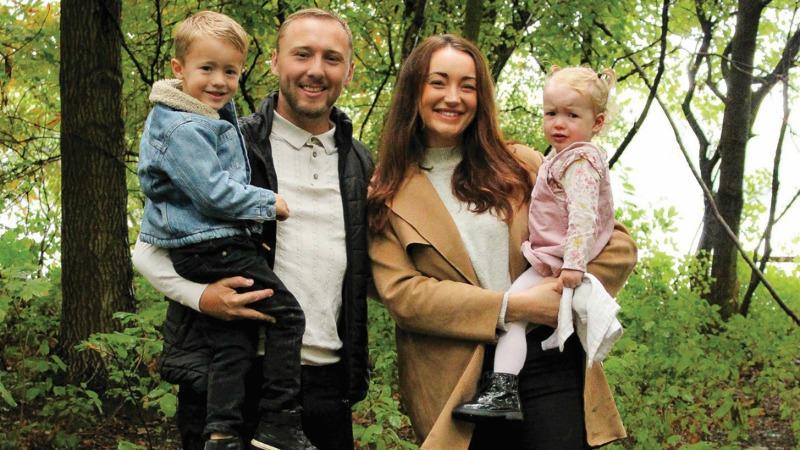
‘My biggest achievement since my stroke is having my two beautiful children. When I was really poorly, I didn’t know if this would be possible, so I’m very thankful.
‘I also changed my career. I went into supporting adults with learning disabilities and now work for the local authority in adult social care.
‘The stroke was a massive trauma, and I still get emotional about it. Looking back, I feel sorry for that young girl and everything she went through. But over the years, counselling has helped me to come to terms with it.
‘I also find getting out in nature helps. I love going for walks – being surrounded by greenery gives me peace. I feel positive now – like I’ve got my ambition back.’
Recently, Louise has been working with us to help the producers and writers of ITV’s Coronation Street with their current stroke storyline, making sure it reflects the reality of what it’s like to be a young stroke survivor. She’s also worked closely with actor, Sydney Martin, who plays a 19-year-old stroke survivor on the show.
‘It’s been amazing to share my story and what it was like after my stroke – especially that recovery isn’t a quick fix. It’s long, tough and really changes you.
‘Corrie have been so passionate about getting it right, which is vital. Viewers need to understand that strokes don’t just happen to elderly people. I think other young stroke survivors will watch it and feel seen.
‘To stroke survivors: things can get better. It’s a cliche, but time is a healer. Don’t put too much pressure on yourself and celebrate the small wins.
‘After my stroke, I lost the ability to swallow. The first time I was able to take a drink of fizzy pop again, I was deliriously happy. Little things are massive in your recovery. Keep going and stay strong because you will get there.’
Get support
Whatever you’re facing in the aftermath of a stroke, we’re here for you. Contact us on 0303 3033 100, helpline@stroke.org.uk or visit stroke.org.uk/support
Stroke News magazine
This article is featured in the summer 2026 edition of our magazine, Stroke News. Subscribe to our future editions available in print, on audio CD or via email.